Laser Hair Removal Aftercare: Calm, Protect and Care for Skin
Brenda Cammo Team
Good laser hair removal aftercare is not complicated, but it does matter. Your skin may look a little pink, feel warm or seem slightly puffy around the follicles after an appointment. For many people, this settles quickly. The most helpful approach is to keep the area cool, clean, moisturised and protected from the sun, while giving it a break from friction and strong products.
Between sessions, your routine also helps you arrive with skin that is ready to be assessed and treated safely. That is especially relevant in Malta, where everyday life can include bright sunshine, beach plans, walking outdoors and warm weather for much of the year.
This guide explains how to care for treated skin in the hours, days and weeks after laser hair removal. It is general guidance, so your own aftercare instructions from the professional carrying out your session should always come first. Skin tone, hair type, treatment area, recent sun exposure and your personal skin history can all affect the right plan for you.
What your skin may feel like after laser hair removal
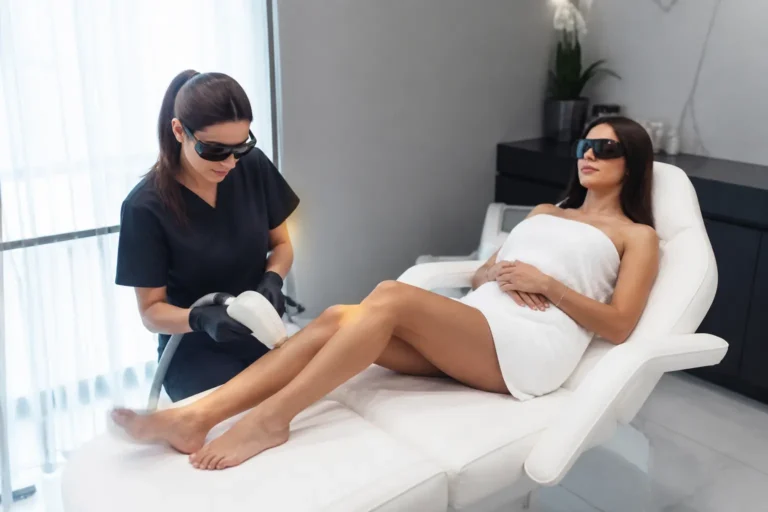
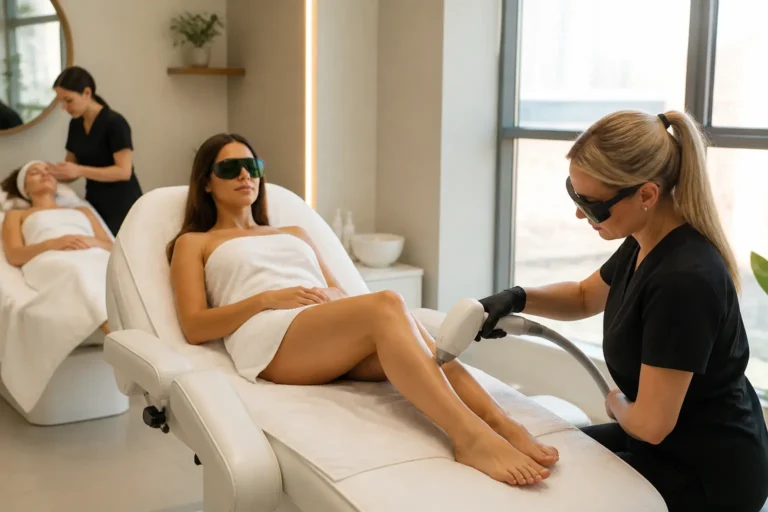
Laser hair removal directs light energy towards pigment in the hair. The surrounding skin can therefore feel temporarily reactive after treatment. Mild redness, warmth and small areas of swelling around individual follicles are common short-term responses. The American Academy of Dermatology notes that this can resemble a mild sunburn and that a cool compress may help with discomfort.
The key word is temporary. Do not judge the outcome of a session by how smooth the area feels on the same day. Treated hairs can take time to shed, and laser programmes are planned over multiple appointments because hair grows in cycles. Results and the number of sessions needed vary from person to person.
Aftercare is not about trying to speed up this process with harsh exfoliation or active skincare. It is about allowing the skin to settle comfortably and protecting it from avoidable stress.
The first 24 to 48 hours: keep the routine simple
For the first day or two, treat the area gently. Think cooling, comfort and minimal friction.
Cool the area without using extreme cold
A clean cool compress can be a useful option if the skin feels warm. Place a soft cloth between your skin and the compress rather than applying ice directly. Direct ice can be too intense for freshly treated skin and may create additional irritation.
Cleanse with care
If you need to wash the area, use lukewarm rather than hot water. Choose a mild cleanser if cleanser is needed at all, then pat the skin dry with a clean towel instead of rubbing. On areas such as the underarms, bikini line or face, this small change can make a noticeable difference to comfort.
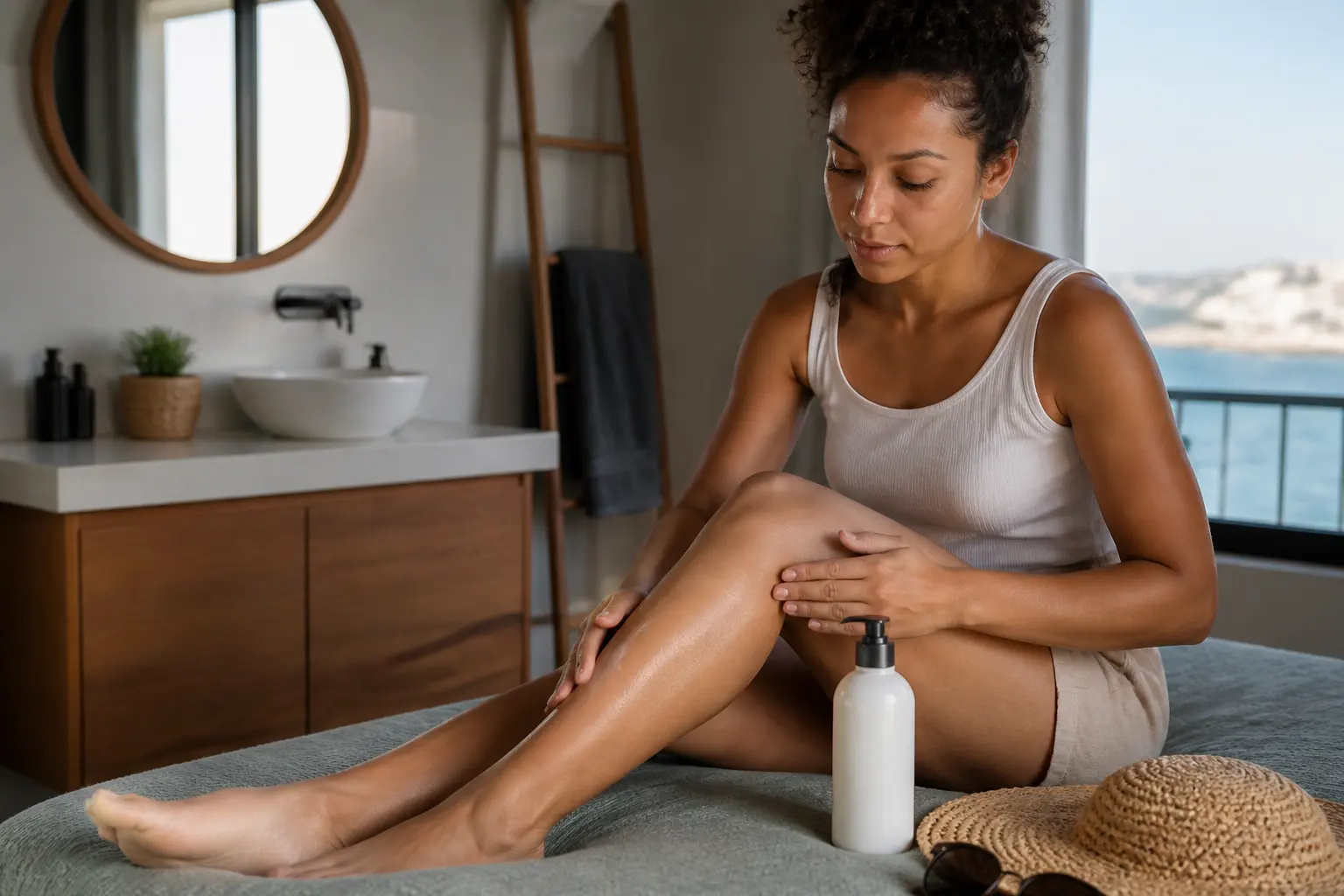
Choose a plain, fragrance-free moisturiser
Once the skin has cooled, a simple fragrance-free moisturiser can help relieve tightness or dryness. Avoid treating the appointment as an opportunity to layer several new products. A familiar product formulated for sensitive skin is usually a more sensible choice than a scented body butter, perfumed oil or heavily active cream.
If you have been given specific post-treatment product advice during your appointment, follow that guidance instead of adding extra products on your own.
Wear loose, breathable clothing for body areas
After treatment on the legs, bikini line, underarms, chest or back, choose soft clothing that does not constantly rub against the skin. Tight waistbands, rough seams and very close synthetic fabrics can trap heat and increase friction when the area is already feeling sensitive.
Sun protection between sessions is essential
Sun exposure is one of the most important things to manage during a course of laser hair removal. A tan changes the skin’s pigment level and can affect whether treatment can go ahead as planned. It can also make recently treated skin more vulnerable to irritation and uneven changes in colour.
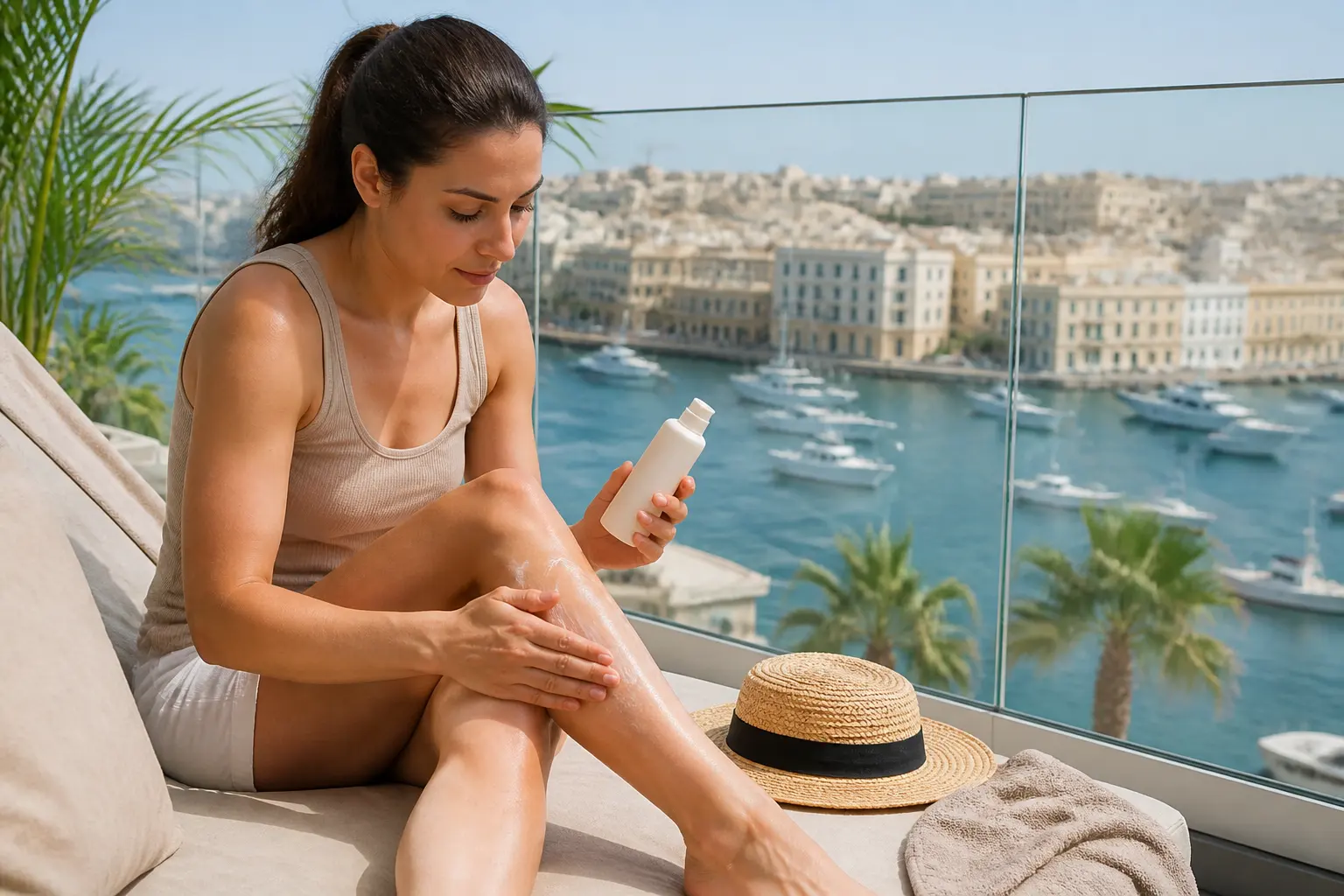
The American Academy of Dermatology’s laser hair removal guidance advises protecting skin with broad-spectrum, water-resistant SPF 30 or higher before going outdoors and avoiding tanning. For clients in Malta, daily sun protection is practical rather than optional, even when you are only travelling to work, sitting outside for lunch or walking through Sliema, Swieqi or St Julian’s.
- Apply broad-spectrum sunscreen to exposed treated areas as part of your morning routine.
- Reapply according to the product instructions, particularly after swimming, sweating or towelling off.
- Use shade, clothing and a hat as extra protection for areas such as the face, neck, chest and shoulders.
- Avoid deliberate tanning, sunbeds and self-tanning products during your course unless your laser professional tells you otherwise.
- Tell the studio before your next session if you have had substantial sun exposure or developed a tan.
It is worth being honest about sun exposure. Rescheduling can be the safer choice if your skin has changed since the previous appointment. A professional assessment is there to make the treatment plan appropriate for your skin on that day, not simply to keep an appointment in the diary.
What to avoid while skin is settling
It is normal to want to return to your usual routine quickly. However, a few temporary pauses can help prevent unnecessary discomfort.
Heat and intense exercise
Very hot showers, saunas, steam rooms and demanding workouts can make warmth and redness feel more noticeable soon after a session. Give your skin time to cool down first. If you exercise, shower afterwards with lukewarm water and avoid scrubbing the treated area.
Scrubs, acids and retinoids
Do not use body scrubs, exfoliating gloves or rough brushes on freshly treated skin. For facial laser areas, pause products that can be irritating, including exfoliating acids, retinoids and strong acne treatments, until your skin feels settled and you have checked the timing with your practitioner if needed.
The same principle applies to professional exfoliating services. If you are planning a facial, dermaplaning or peel, mention your recent laser session first so the timing can be considered properly.
Fragrance and alcohol-heavy products
Perfume, fragranced lotions and strong deodorants can sting on sensitive skin, particularly under the arms or along the bikini line. Keep product choices calm and uncomplicated after treatment. Once the area is fully comfortable again, you can return to your normal products unless you have been told otherwise.
Waxing, threading, plucking and epilating on treated areas
Laser hair removal works with the hair follicle, so removing hair from the root between appointments may interfere with the treatment plan. Do not wax, pluck, thread or epilate the areas being treated unless your laser professional has specifically advised it. This includes tweezing individual facial hairs because they seem more visible than usual.
Can you shave between laser sessions?
In many laser treatment plans, shaving is the preferred way to manage regrowth between appointments because it cuts hair at the surface rather than removing it from the follicle. However, wait until your skin feels comfortable after the session before shaving, and use a clean, sharp razor with a gentle technique.
Take your time. Shaving over red, hot or irritated skin can cause razor burn and make the area feel worse. Use a simple shaving product if you normally need one, avoid pressing hard and finish with a plain moisturiser if the skin tolerates it.
Some hairs may look as though they are growing after treatment when they are actually moving out of the follicle as part of the shedding process. Avoid pulling at them. If you are unsure whether it is time to shave or whether an area is reacting normally, contact the studio before experimenting at home.
A practical between-sessions routine
Your skin does not need a complicated calendar. The following routine is a useful framework, but it should be adjusted around the instructions given for your treatment area and skin.
On the day of your session
- Use a cool compress if the skin feels warm.
- Keep showers lukewarm and avoid rubbing the area dry.
- Choose loose clothing where possible.
- Skip heat, heavy exercise and strong body or skincare products while the area is sensitive.
- Protect exposed skin from sunlight.
Over the following few days
- Continue with a mild, fragrance-free moisturiser if the skin feels dry or tight.
- Use sunscreen consistently on exposed areas.
- Avoid exfoliation until the skin has settled.
- Do not wax, pluck, thread or epilate the treatment area.
- Shave only when the area feels comfortable and in line with your professional advice.
In the weeks before your next session
- Maintain daily sun protection and avoid tanning.
- Keep the studio informed about changes in medication, skin reactions or recent sun exposure.
- Follow the pre-appointment shaving and product instructions provided for your area.
- Raise questions early if you are planning a holiday, a facial service or an activity that involves prolonged sun exposure.
Aftercare by treatment area
The principles are similar across the body, but the details can change depending on where you are treated.
Face, upper lip and chin
Facial skin is regularly exposed to sunlight and often comes into contact with make-up and active skincare. Keep the routine gentle, especially in the first days. If make-up causes stinging or requires heavy rubbing to remove, give your skin a break. Use sunscreen and avoid exfoliating toners, scrubs and retinoid products until the skin feels normal again.
Underarms
Underarms combine warmth, sweat, friction and deodorant, so they can be especially prone to feeling sensitive. Wear a loose top after your appointment where possible. If deodorant stings, pause it temporarily and ask the studio which timing is suitable for your treatment plan.
Bikini line
For the bikini area, breathable underwear and loose clothing can make the first day more comfortable. Avoid friction from tight clothing, intensive exercise or heat until the area settles. Resist the urge to exfoliate closely shaved skin, as this can add irritation.
Legs, chest and back
Longer treatment areas may be more likely to rub against clothes, bedding or bags. Choose soft fabrics, avoid very hot baths and apply sun protection whenever the skin will be exposed. If you are heading to the beach or pool, check your aftercare timing with the studio before you go.
When should you contact the studio or seek medical advice?
Mild warmth, redness and follicle-centred swelling can occur after laser hair removal. However, do not ignore symptoms that seem severe, are getting worse or do not match the aftercare guidance you received.
Contact the studio promptly if you develop blistering, broken skin, marked swelling, a rash that concerns you, increasing pain or signs that the area is not settling. The American Academy of Dermatology lists blistering, infection, scarring and changes in skin colour among possible side effects, although these are less common. If you think you may be having an urgent allergic reaction or another medical emergency, seek urgent medical help.
It is also sensible to check in before your next session if you have started a new medicine, developed a skin condition in the treatment area, had a recent tan or experienced an unusual reaction after the previous appointment. Clear communication helps the professional tailor the session responsibly.
Good aftercare supports a smoother laser journey
The most effective laser hair removal aftercare is calm, consistent and realistic. Cool the skin if needed, choose gentle products, avoid friction and heat while sensitivity settles, and make sun protection part of your everyday routine. Just as importantly, do not remove hair from the root between sessions and keep your practitioner updated about changes that may affect your appointment.
At a professional studio, aftercare is part of the service, not an afterthought. If you are considering laser hair removal in Malta, or you are unsure how to manage a particular area between sessions, book the appropriate service and ask your questions before treatment. A personalised assessment helps you plan around your skin, hair and lifestyle with confidence.
Frequently asked questions
How long does redness last after laser hair removal?
Mild redness and small areas of swelling around follicles often settle within a short time, but every person and treatment area is different. Follow your individual aftercare instructions and contact the studio if symptoms are severe, worsening or not settling as expected.
Can I use aloe vera after laser hair removal?
A simple soothing product may suit some people, but formulas vary greatly. Choose fragrance-free options and avoid applying anything that stings. If you are unsure, use only the product advice provided by your laser professional.
Can I go in the sun between laser sessions?
You should protect treated skin from direct sun and avoid tanning during your laser course. Wear broad-spectrum sunscreen, use clothing and shade, and tell the studio about any substantial sun exposure before your next appointment.
Can I exfoliate after laser hair removal?
Not while the skin is still warm, red or sensitive. Avoid scrubs, exfoliating gloves and strong active products until the area has settled. If you want to restart exfoliation, ask your practitioner about appropriate timing for your skin and treatment area.
What hair removal can I use between laser sessions?
Shaving is commonly used between appointments because it does not remove hair from the root. Avoid waxing, threading, plucking and epilating the areas included in your laser plan unless your practitioner gives you different instructions.