How Long Does Microblading Last? Pigment Retention Explained
Brenda Cammo Team
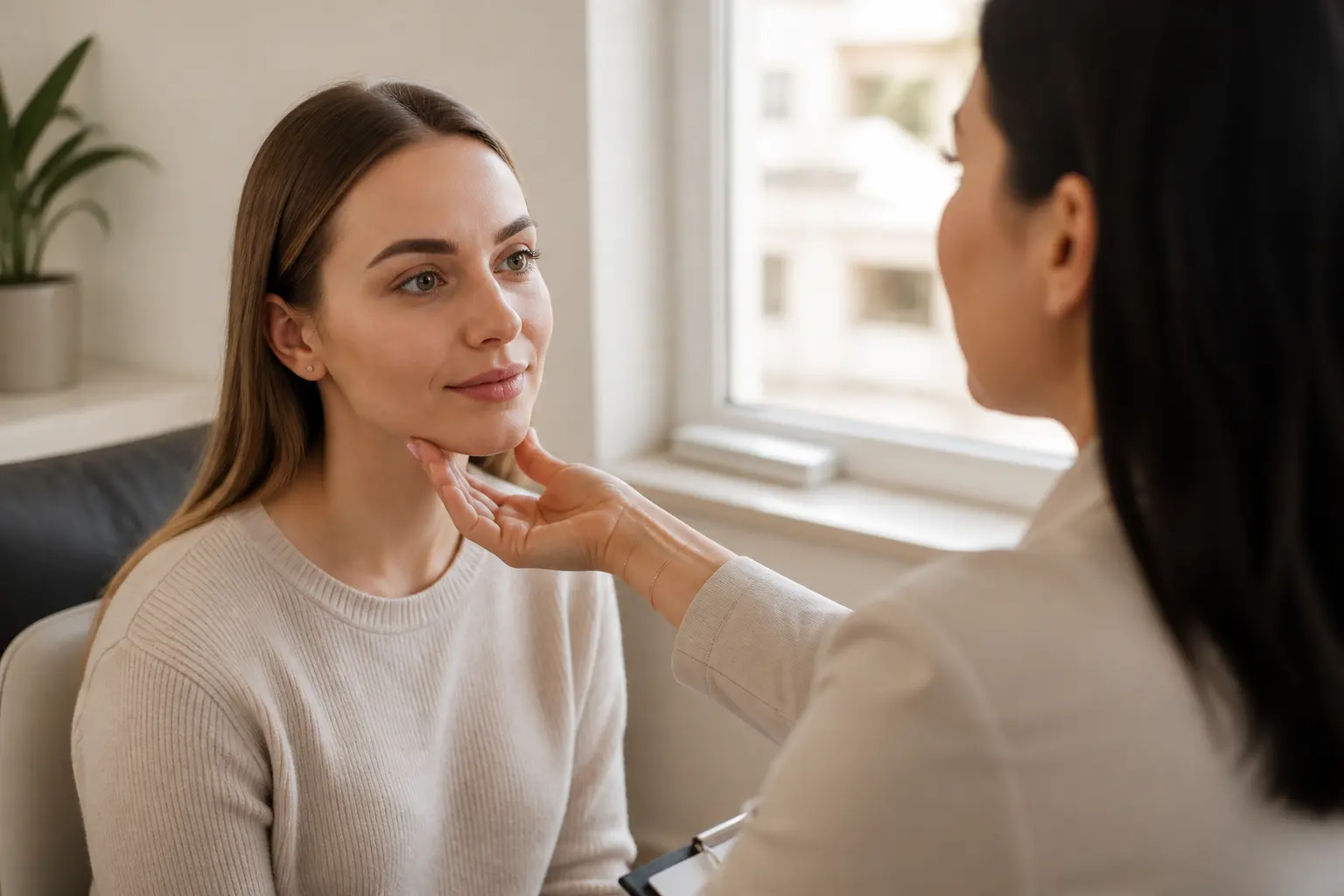
Microblading is designed to be semi-permanent, not permanent. That distinction matters when you are deciding whether it suits your routine, your brow goals and the amount of maintenance you are comfortable with over time.
So, how long does microblading last? There is no single answer that applies to every person. Pigment retention can vary considerably between clients, and a professional artist should discuss your skin, natural brow hair, lifestyle and desired finish before setting expectations. At Becammo, a one-year eyebrow touch-up is available for clients whose brows are ready for a colour refresh, but the right timing is always personal.
The most useful way to think about microblading longevity is this: the initial appointment creates fine, hair-like strokes, the healing period reveals how the pigment has settled, and future maintenance helps keep the overall definition looking aligned with your preferences. Some people notice soft fading sooner than others. That is a normal part of choosing a semi-permanent brow service.
What “lasting” means with microblading
When people ask how long microblading lasts, they may mean different things. You might be asking how long the skin takes to heal, how long the strokes remain visible, or how long the colour looks close to its freshly settled appearance. These are related, but they are not the same.
Microblading uses precise hair-stroke work to add the appearance of brow hairs in areas where natural hair is sparse, uneven or simply needs more definition. The pigment sits in the skin and gradually changes in intensity over time. It does not stay exactly as it looked immediately after the appointment.
Fresh brows can look stronger at first. During healing, the colour may appear to soften or seem less visible before settling. That early process should not be used to judge long-term retention. Once the brows have healed, the final appearance is usually softer and more integrated with your natural features than the first-day result.
After that, fading tends to happen gradually rather than all at once. You may first notice that the outline is less crisp, the strokes look lighter, or you spend a little longer filling a particular area with make-up. These are useful signs that it may be time to discuss a review or future touch-up.
A one-year touch-up is a helpful reference point, not a rule
At Becammo, an eyebrow touch-up at one year is available as part of the microblading maintenance options. For many clients, this is a sensible point to reassess colour, shape and overall definition. It does not mean every client will need the same service at precisely the same time.
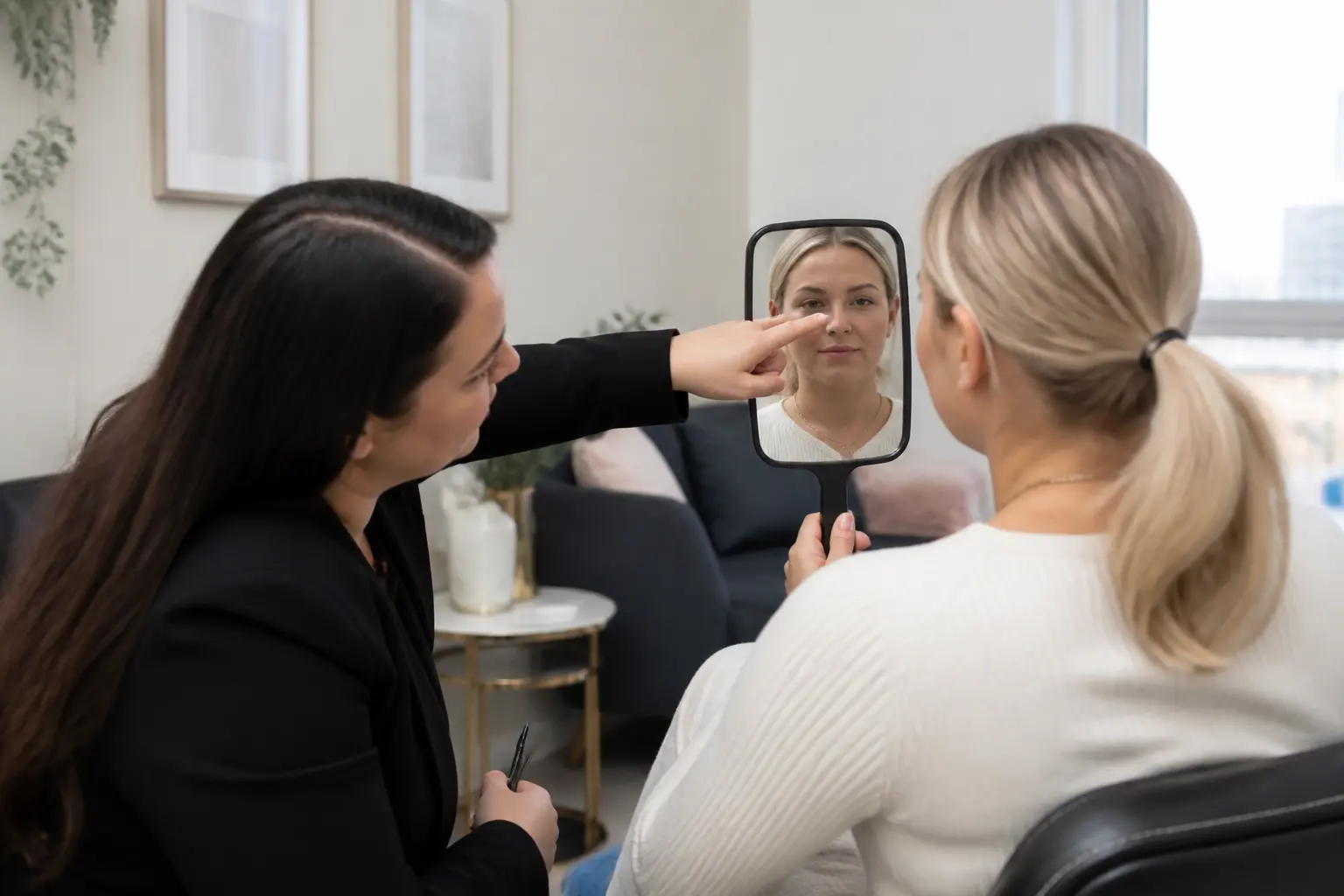
Your brows may retain pigment differently from a friend’s, even if you both had similar-looking starting brows. Skin characteristics, sun exposure, skincare choices and daily habits all influence the way the colour softens. A professional review is more useful than trying to follow a rigid calendar.
If you are new to semi-permanent make-up, it can help to plan for maintenance from the beginning. Think of microblading as a long-lasting enhancement that may need periodic refreshing, rather than a once-only appointment that will look unchanged indefinitely.
What affects microblading pigment retention?
Retention is influenced by several factors working together. Some are linked to the skin itself, while others are connected to routine, environment and the way you care for your brows before and after the appointment.
Skin type and natural skin behaviour
Skin is individual. Some clients have drier skin, while others experience more oil through the forehead and brow area. Skin that produces more oil may affect how sharply fine hair strokes remain visible over time. This does not automatically mean microblading is unsuitable, but it is an important part of the consultation conversation.
Texture, sensitivity, previous brow work and the condition of the skin around the eyebrows can also matter. An experienced artist assesses the brow area rather than treating every face as though it will respond in the same way.
Aftercare during the healing period
The healing period gives the pigment time to settle. Following the aftercare instructions provided by your artist is one of the practical ways to support the intended result. Your artist will explain what to avoid, what to keep in mind while cleansing and how to protect the brow area while it recovers.
It is tempting to compare your healing brows with photographs online or with another person’s experience. However, healing is not identical for everyone. Avoid picking, scratching or trying to speed up the process with unapproved products. If something concerns you, it is better to contact the studio and ask for guidance than to experiment at home.
Sun exposure and everyday outdoor life
Malta’s bright climate is part of daily life for residents, visitors and expats. Time outdoors can be enjoyable, but regular sun exposure is a factor worth discussing when you choose semi-permanent brow work. If you spend a great deal of time at the beach, exercise outdoors or travel often to sunny destinations, mention this during your consultation.
Once your artist confirms that your brows have healed, protecting the area as part of your usual sun-care routine can help you care for both your skin and the appearance of your brow colour. The exact routine should be suitable for your skin and follow the aftercare advice you receive.
Skincare products and active ingredients
Many people use effective skincare products without thinking about how close they come to the eyebrow area. Exfoliating acids, retinoid products and other active formulas may be relevant to your booking and your longer-term brow care. It is important to tell your artist what you currently use, including products that are applied only a few times a week.
This is not about giving up a skincare routine. It is about planning properly. Your artist can tell you what information is useful before the appointment and what to discuss if your routine changes later.
Make-up removal and friction around the brows
Everyday habits can add up. Vigorous rubbing when removing make-up, frequent exfoliation around the forehead, or regular use of strong products directly over the brows may affect how the colour looks over time. Gentle handling of the brow area is a simple habit, especially once you have invested in a carefully designed result.
If you regularly wear full-coverage brow make-up, consider whether you are trying to create a stronger effect than your microblading was designed to provide. A future refresh may be more appropriate than repeatedly layering products over faded areas.
Your chosen shape and colour goal
Subtle, natural-looking hair strokes and a more defined brow can require different conversations about maintenance. The goal is not to follow one fixed eyebrow trend. It is to create a result that works with your natural brow pattern, facial features and comfort level.
At a professional studio, brow design should take account of balance rather than forcing identical brows or an overly dramatic shape. As the pigment fades, a review is also an opportunity to revisit your preferences. You may want to keep the same soft look, refine a section that has faded more quickly or adjust the intensity to suit your current style.
Why one brow may fade differently from the other
It is common for the two brows to behave differently. Natural eyebrow hair is rarely perfectly symmetrical, and neither are the skin, muscle movement or daily habits on each side of the face. You may sleep more often on one side, touch one brow more frequently, or cleanse one side with slightly more pressure without noticing.
Different retention between brows does not automatically mean anything has gone wrong. It is one reason personalised assessment matters. During a touch-up discussion, the artist can look at the brow area as a whole and decide how to restore balance without making the brows look heavy.
Microblading maintenance versus a touch-up
A touch-up is not simply a repeat of the first appointment. It is a chance to assess how your pigment has settled and faded, how your natural brow hair has changed and whether the original design still reflects what you want.
Before booking, take a clear look at your brows in natural light. Consider these questions:
- Do the hair strokes still give you enough definition?
- Are there areas where the colour has softened more than others?
- Do you still like the original shape and colour direction?
- Has your skincare routine, sun exposure or health information changed?
- Are you filling your brows in more often than you used to?
Bring these observations to the appointment or consultation. Clear communication helps your artist recommend the most appropriate next step, rather than assuming that every client needs the same amount of work.
How to support realistic, natural-looking retention
You cannot control every aspect of pigment retention, but you can make informed choices before and after booking.
- Choose the technique for the right reasons. Microblading is best considered when you want the appearance of fine, hair-like definition and understand that it is semi-permanent.
- Be open during your consultation. Share relevant skincare products, past brow procedures, known sensitivities and your usual lifestyle in Malta or while travelling.
- Follow your individual aftercare guidance. Professional instructions are tailored to the procedure and are more reliable than generic advice from social media.
- Keep your expectations flexible. Healing and retention vary. A soft, personalised result may not fade in exactly the same way on every area of the brow.
- Plan a future review when needed. A one-year touch-up can be a useful maintenance milestone, especially when you begin noticing a gradual loss of definition.
Is microblading still right for you if you want low maintenance?
For many people, microblading can simplify a daily brow routine by adding structure and the look of natural hair strokes. However, low maintenance does not mean no maintenance. You may still choose to use brow make-up occasionally, protect the area as advised and book a future touch-up when the pigment has softened.
If your main question is whether microblading fits your skin, routine or desired result, a semi-permanent make-up consultation is the best place to start. It gives you room to discuss the technique, your expectations and any relevant details before committing to the service.
Conclusion
Microblading can remain a beautiful part of your brow routine for a long time, but pigment retention is personal. Skin behaviour, healing, sun exposure, skincare and day-to-day habits all play a role in how the colour softens. Rather than focusing on an exact promise, plan for a professionally assessed result and a future refresh when your brows begin to need more definition.
If you are considering Brazilian Microblading in Malta, or you are wondering whether your existing brows are ready for a touch-up, book with Becammo in Sliema or Swieqi and discuss your goals with a trained professional.
Frequently asked questions
Does microblading fade completely?
Microblading is semi-permanent and fades gradually. How much pigment remains visible, and how quickly it softens, varies from person to person. A professional can assess your brows if you are considering a refresh.
When should I book a microblading touch-up?
A one-year touch-up is available at Becammo and can be a useful reference point. The best time depends on how your pigment has faded, your desired level of definition and an individual assessment of your brows.
Can oily skin affect microblading retention?
Skin that produces more oil can influence how fine strokes appear over time. This is worth discussing before booking so that the technique and your expectations can be considered carefully.
Will sun exposure affect my brow colour?
Regular sun exposure is one of the factors that can influence how semi-permanent brow colour softens over time. Tell your artist about your outdoor routine and follow the aftercare and skin-protection advice given after healing.
Can I use active skincare after microblading?
Tell your artist about any retinoid, exfoliating acid or other active skincare products you use. They can advise what information is important before your appointment and how to plan your routine around the brow area.