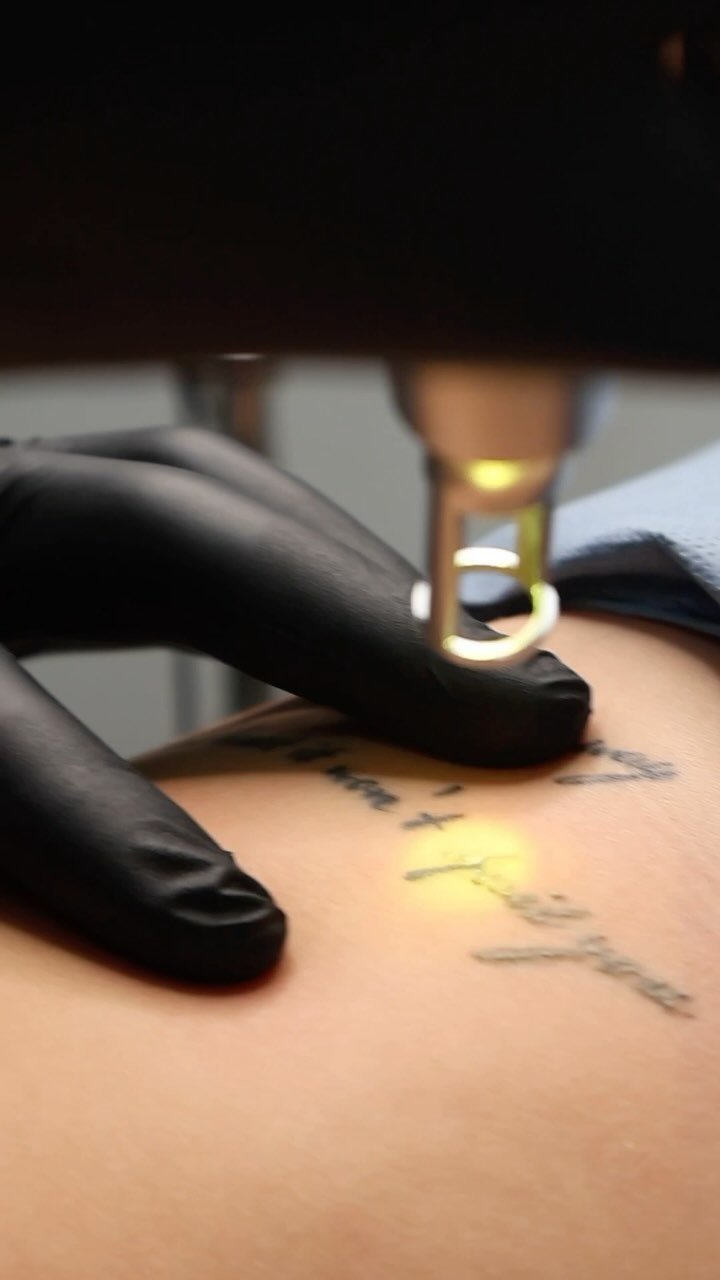
Old permanent make-up, including microblading, powder brows and cosmetic tattooing, can be lightened or removed gradually with laser treatment over multiple sessions. Cosmetic pigments need particular care because some flesh-toned or white-based shades can darken after laser exposure, and complete removal cannot be promised. A new brow design should only be discussed once the area has settled. BeCammo offers this service at its Sliema studio.
An eyebrow tattoo can feel right at one stage of life, then become less suited to the way you want to look today. Perhaps the colour has changed, the shape no longer reflects your features, the strokes have blurred, or you would simply like more freedom in how you style your brows. In these situations, eyebrow tattoo removal, or laser lightening of old permanent make-up, can be a considered first step before planning a new brow direction.
It is important to approach the process with patience. Permanent make-up is a form of cosmetic tattooing, and its response to laser treatment depends on factors such as the pigment used, its depth, its age, the colour that remains and your individual skin response. A professional consultation is therefore more useful than a promise of a fixed number of sessions or a particular final result.
At BeCammo, laser tattoo removal is available exclusively at the Sliema studio. The purpose of an initial conversation is to understand what you would like to change, assess the existing brow pigment and discuss whether gradual lightening may support your next step.
What counts as an eyebrow tattoo?
People use several names for pigment placed in the brow area. You may describe yours as an eyebrow tattoo, permanent brows, cosmetic tattooing, microblading, microshading, powder brows or old permanent make-up. Although the visual techniques can differ, they all involve pigment being introduced into the skin, which is why correction needs thoughtful planning.
Some old brows look too dark or too warm. Others may have faded unevenly, shifted in tone or lost the crisp structure they had initially. It is also common for a brow shape that once felt fashionable to seem too heavy, too arched or too wide years later. Facial features, natural brow hair and personal style all change over time.
That does not mean the original decision was a mistake. It means your current preference deserves to be heard. The aim of eyebrow tattoo removal is not to judge an earlier look, but to create clearer options for what comes next.
Why do people remove or lighten old permanent make-up?
There is no single reason to explore laser removal. A person may want to make a visible change, prepare for a future brow procedure or simply reduce the appearance of pigment that no longer feels balanced. Common motivations include:
- The brow shape no longer suits your face or everyday style.
- The pigment has faded to an unwanted shade, such as grey, blue, red or orange.
- Former hair-like strokes have softened or merged visually.
- The brows look darker or more defined than you now prefer.
- You would like to create a cleaner base before discussing a new semi-permanent brow plan.
- You want the freedom to return to natural brow grooming, tinting, henna or threading-based shaping.
Correction does not always mean trying to erase every trace of pigment. In some cases, the most appropriate goal may be to lighten the existing work enough to make a later design decision more flexible. This is why it helps to think in terms of a plan rather than a quick fix.
At BeCammo · Sliema · Swieqi
Laser hair removal in Malta
Underarm, before and after laser hair removal.
Diode laser hair removal for women and men, suitable for different skin tones.
- from €20price
- Sliema · Swieqiwhere
- ★ 5.0460+ Google reviews
How does laser eyebrow tattoo removal work?
Laser tattoo removal uses focused light energy to target tattoo pigment. The pigment is broken into smaller particles, which the body then gradually processes over time. The process is commonly performed over multiple appointments, with time between sessions for the area to settle.
However, eyebrow permanent make-up needs particular care. Cosmetic pigments can behave differently from conventional body tattoo inks. According to the US Food and Drug Administration guidance on tattoo removal, permanent make-up and flesh-coloured or white pigments can be especially complex because some pigments may oxidise, becoming darker after laser exposure. Different colours also respond differently, and complete removal may not always be possible.
That complexity is exactly why an assessment comes before assumptions. A professional needs to look at the brow area, listen to your history and set realistic expectations around lightening, spacing and aftercare.
Removal versus lightening: why the distinction matters
When people search for eyebrow tattoo removal, they often imagine a single end point: completely bare skin. In practice, it may be more helpful to discuss whether your priority is full removal where possible or sufficient lightening for a future correction.
Lightening can be valuable if old pigment is making it difficult to create a softer, more natural-looking brow shape. It may also help an artist see your natural brow hairs and facial proportions more clearly before advising on a new design. The right route depends on your existing pigment and your plans, not on a standard template.
What happens during a professional consultation?
A consultation for old permanent make-up correction should be a calm, honest conversation. Bring any information you have about the original procedure, including when it was done, whether it was refreshed, the technique used and any details about pigment colours. If you have clear photographs from shortly after the procedure and from more recent months, they can also provide helpful context.
Your practitioner can then consider the current appearance of the brows, the visible pigment tone and your natural hair pattern. You should also explain your goal. For example, do you want to soften the colour? Are you considering new brows afterwards? Or are you unsure whether a new semi-permanent procedure is right for you at all?
It is equally important to mention relevant skin sensitivities, previous reactions and any history that could affect suitability. Where there is uncertainty, it is better to pause and seek appropriate medical advice than to rush into an aesthetic decision.
A good consultation leaves space for questions. You should understand that progress can be gradual, that responses vary and that an individual plan may change as the pigment reacts over time.
What affects the number of sessions?
It is understandable to ask how many sessions eyebrow tattoo removal will take. Unfortunately, there is no responsible universal answer. The number and spacing of sessions depend on the individual case.
- Colour and composition of the pigment: darker pigments can respond differently from warmer, lighter or mixed cosmetic shades.
- Age of the permanent make-up: older work may already have faded, but age alone does not predict how it will respond.
- How much pigment is present: brows that have been refreshed repeatedly may need a different approach from brows completed once.
- Depth and technique: pigment placed differently in the skin can affect the visual result and treatment plan.
- Your skin and healing response: every person’s skin settles in its own way.
- Your end goal: preparing for correction may require a different degree of lightening from seeking the maximum possible reduction in visible pigment.
The FDA notes that laser tattoo removal generally involves multiple treatments separated by several weeks, and that results can vary according to tattoo size and colours. That is useful context, but your own brow assessment remains the most relevant guide.
Can old microblading be corrected with laser removal?
Old microblading may be a reason to explore laser lightening, particularly when faded strokes have become blurry, changed colour or no longer work with the natural brow. Yet the word microblading does not automatically tell a practitioner exactly what pigment is present or how it will react.
Some clients have had microblading followed by one or more top-ups. Others have received a different technique under the same name. There may also be previous correction work underneath the visible layer. For this reason, it is best not to make a booking based solely on an old service label.
Instead, approach the consultation prepared to describe the complete brow history as accurately as you can. An open discussion protects your options and helps avoid planning a new brow procedure too soon.
How should you prepare for eyebrow tattoo removal?
Your studio will provide personalised guidance before your appointment. In general, preparation starts with clear communication. Let the team know about relevant changes to your skin, new products you are using or any concerns that arise before the session.
Avoid trying to fade the pigment yourself with unverified creams, acids or home removal kits. These products cannot reliably assess what pigment is in the skin or how your brow area will respond. The FDA advises that do-it-yourself tattoo removal creams and kits are not approved for this purpose and may lead to problems such as irritation, burns or scarring.
It is also sensible to arrive with realistic expectations. Laser treatment is a process, not an instant brow redesign. Giving the skin and pigment time to respond is part of achieving a more informed result.
What aftercare does the brow area need?
Aftercare is not an optional extra. The brow area needs gentle attention following a laser session, and the instructions provided by your practitioner should take priority because they are based on your appointment and skin presentation.
You may be asked to keep the area clean, avoid touching or picking it, and protect it from unnecessary friction while it settles. Do not introduce strong skincare products, exfoliation or brow treatments unless your practitioner has confirmed that the timing is suitable. It is also important to be mindful of sun exposure, especially in Malta, where everyday outdoor time can be intense for much of the year.
Temporary redness, tenderness or visible changes in the treated area can occur. The FDA lists redness, soreness, pinpoint bleeding, infection, scarring and skin colour changes among potential risks of laser tattoo removal. If you experience a reaction that concerns you, seek appropriate professional advice promptly rather than attempting to manage it with unsuitable products.
When can you redesign your brows?
It can be tempting to book a replacement brow procedure as soon as the old work appears lighter. But a fresh design should only be discussed once the brow area has had appropriate time to settle and the pigment response can be properly evaluated.
This pause can be valuable. It gives you time to consider whether you want another semi-permanent brow style or a lower-commitment routine built around threading, tint or henna. It also gives the brow artist a clearer view of your natural growth, face shape and remaining pigment.
If you later decide to have a new semi-permanent brow procedure, begin with a consultation. A personalised design should work with your current features and lifestyle, rather than trying to copy a trend or cover old pigment without a plan.
Choosing a thoughtful correction plan in Malta
Old permanent make-up can feel frustrating, but it does not have to define your next brow decision. The most useful place to begin is with a realistic consultation, clear information about your brow history and an approach that respects the sensitivity of the facial area.
At BeCammo Sliema, eyebrow tattoo and old microblading removal is approached as a gradual process. Whether your goal is to reduce unwanted pigment, prepare for a later correction or understand your options before deciding, ask the team about laser tattoo removal and book a consultation to discuss your brows in person.
Frequently asked questions
Is eyebrow tattoo removal the same as microblading removal?
Microblading is one type of semi-permanent brow work, while eyebrow tattoo removal is the wider term people use for reducing or removing brow pigment. The correct approach depends on the actual pigment, its colour, your brow history and how the skin responds.
Will laser eyebrow tattoo removal remove all pigment?
Not always. Laser treatment may lighten pigment gradually, but complete removal cannot be promised. Cosmetic pigments can react unpredictably, especially lighter, flesh-toned or white-based shades, so assessment and realistic expectations are essential.
How long should I wait between laser removal sessions?
Sessions are normally spaced apart to allow the skin to settle and the pigment response to become clearer. Your practitioner will advise on timing for your individual case rather than applying the same interval to every client.
Can I have new microblading immediately after removal?
No new procedure should be rushed. The treated brow area needs time to settle before any future semi-permanent brow decision is considered. A consultation can help determine when it is appropriate to discuss your next options.
Can I shape my eyebrows while old pigment is being removed?
Gentle brow grooming may be possible at an appropriate stage, but always check first. Threading, tinting, henna and active skincare should be timed around your laser plan so that the brow area is not unnecessarily irritated.