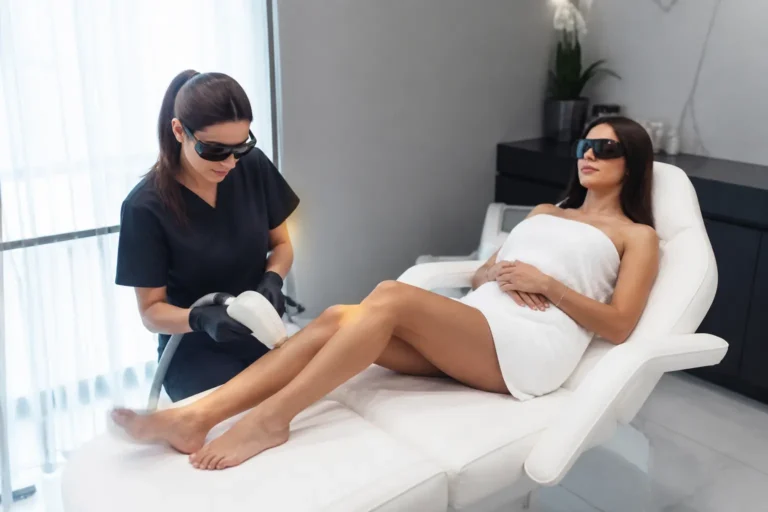
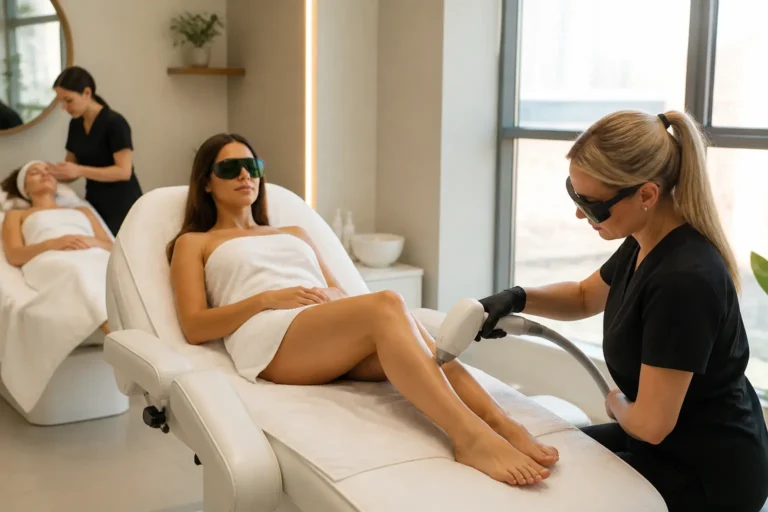
Does Laser Hair Removal Hurt? An Honest Comparison With Waxing
Brenda Cammo Team
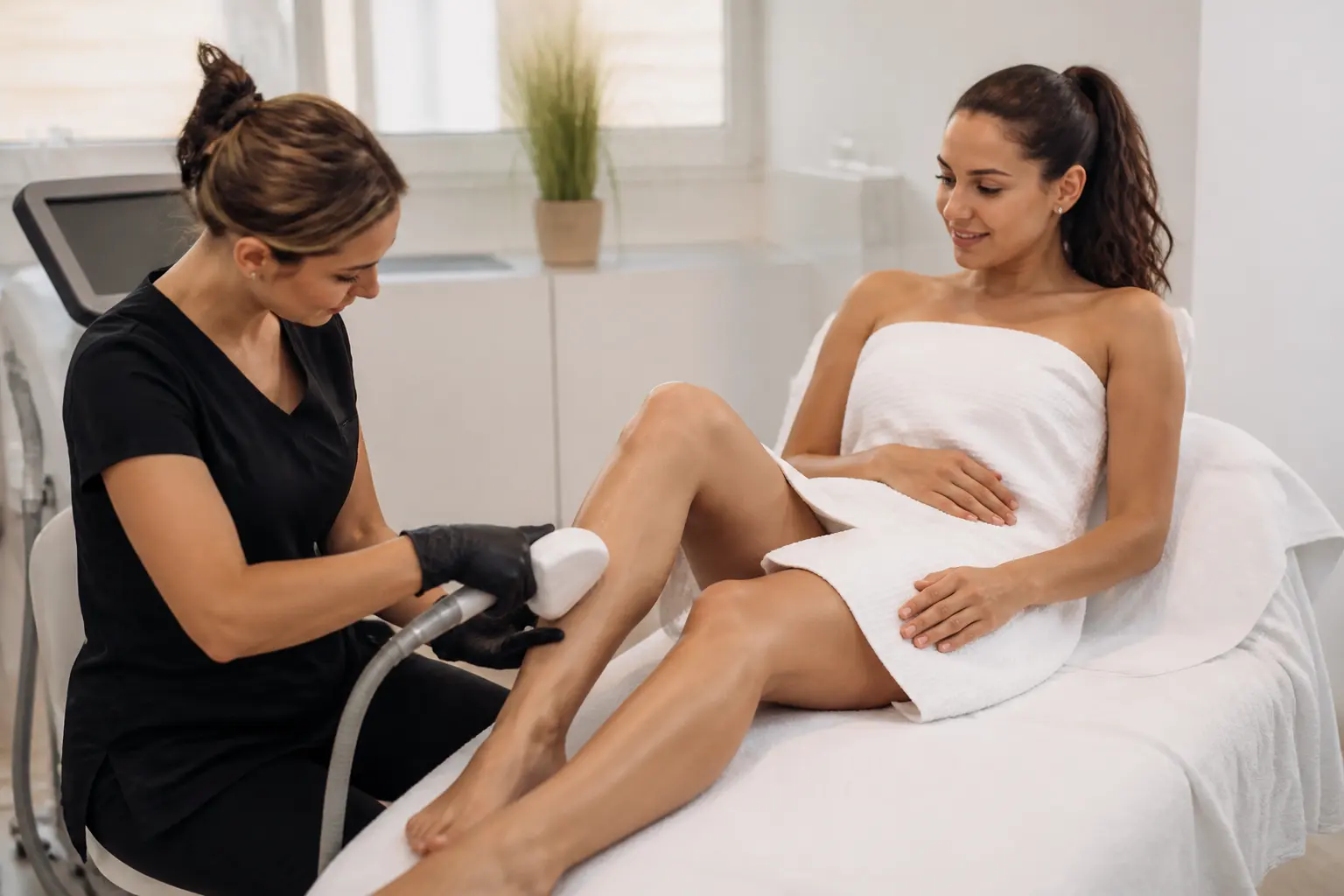
If you are considering laser hair removal but have memories of a painful wax appointment, it is natural to ask one direct question: does laser hair removal hurt?
The honest answer is that laser hair removal can be uncomfortable, but the feeling is usually brief and different from waxing. Most people describe each laser pulse as a quick snap against the skin, sometimes with warmth. Waxing, by contrast, involves pulling multiple hairs out from the root in one motion, so the sensation tends to last for the pull and may feel more intense across the whole waxed area.
Neither experience is identical for everyone. The area being treated, your hair thickness, skin sensitivity, menstrual cycle, recent sun exposure and the settings appropriate for your skin and hair can all affect how it feels. A professional consultation matters because comfort and safety should be considered together, rather than treating pain as something to simply push through.
What does laser hair removal actually feel like?
During laser hair removal, light energy is directed towards the pigment in the hair. The sensation happens in short pulses, rather than as one continuous feeling. A common comparison is the flick of a small elastic band against the skin, paired with a moment of heat.
The American Academy of Dermatology notes that many patients describe laser pulses as warm pinpricks or an elastic band snapping against the skin. That comparison is useful, but it is still only a reference point. A pulse on the lower leg may feel very different from a pulse on the upper lip or bikini line.
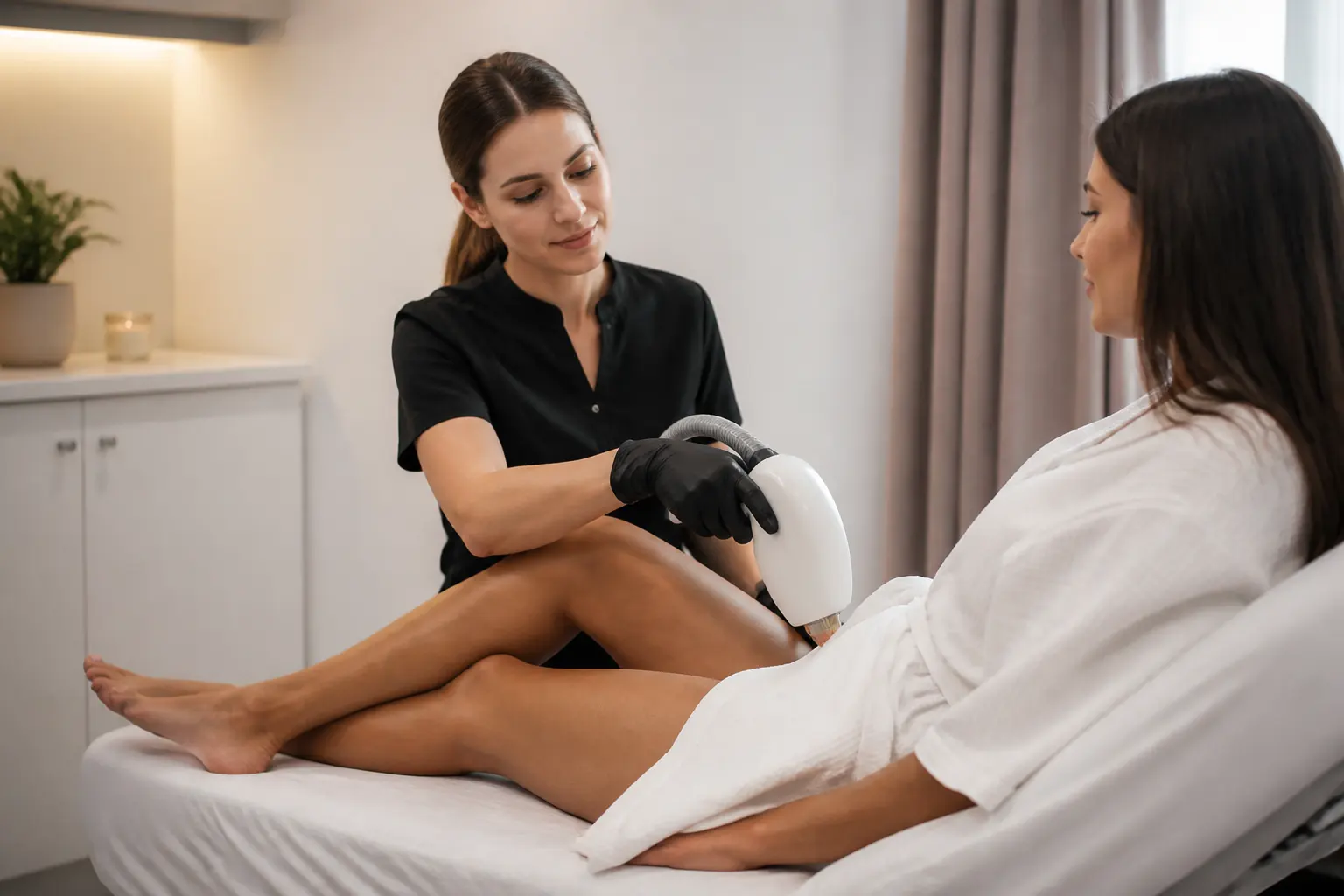
In a professional setting, the treatment is delivered area by area. You may feel a sequence of quick sensations, followed by a pause as the practitioner moves to the next section. This stop-start rhythm is one reason many clients find laser more manageable than they expected, especially compared with a single wax strip removed over a wider patch of skin.
Laser should not be described as pain-free. Some clients experience only mild discomfort, while others find certain areas sharp or sensitive. Being realistic before an appointment helps you prepare, communicate clearly and make a decision that feels right for you.
Laser hair removal versus waxing: the key sensation differences
Waxing and laser hair removal both involve some degree of discomfort, but they create it in different ways.
| Feature | Laser hair removal | Waxing |
|---|---|---|
| How the sensation happens | Brief pulses of heat and snapping sensation | A strip or wax layer is pulled away, removing hairs from the root |
| Length of each sensation | Usually very quick, pulse by pulse | Short but broader, centred on each removal pull |
| Hair length before the appointment | The area is normally shaved according to the practitioner’s instructions | Hair needs enough length for wax to grip it |
| Areas that often feel more sensitive | Can include the upper lip, bikini line, underarms and areas with coarse hair | Can include the bikini line, underarms, upper lip and other delicate areas |
| What happens afterwards | Temporary redness or warmth may occur | Temporary redness and irritation may occur after hair is pulled out |
With waxing, you know the pull is coming. There can be an anticipatory element, then an immediate sting as the wax is removed. When a larger section is waxed, many hairs are pulled at once. The skin can feel tender afterwards, particularly if it is already dry, irritated or sensitive.
With laser, the sensation is more repetitive but more localised. The pulses can be quick enough that some people prefer the predictability of one small sensation at a time. Others may find the heat more noticeable, especially where hair is dense and dark. There is no universal winner on comfort because individual pain perception varies.
However, people who dislike growing their hair out for waxing often appreciate that laser appointments are generally prepared for by shaving, not by waiting for visible regrowth. That does not make the procedure painless, but it can make the overall hair-removal routine feel easier to manage.
Is laser more painful than waxing?
For some people, laser feels less uncomfortable than waxing. For others, particularly during a first appointment or on a sensitive area, it can feel comparable or more intense in the moment. It is more useful to think about the type of sensation than to expect one simple ranking.
Waxing is a pulling sensation. Laser is a rapid heat-and-snap sensation. A client who finds the removal of many hairs at once unpleasant may prefer laser. A client who is especially sensitive to heat may need more reassurance, careful communication and an individually appropriate approach during laser sessions.
The area also changes the comparison. Underarms and the bikini area are commonly considered sensitive for both methods. Facial areas can be delicate because the skin is thinner and the region is highly responsive. Legs may feel easier for some people, but hair density and individual sensitivity still matter.
It is also worth separating a moment of discomfort from a sign that something is wrong. You should be able to tell the practitioner if a sensation feels stronger than you expected. A reputable provider should welcome questions, discuss your relevant skin history and explain what you are feeling as the session progresses.
Why laser can feel different from one appointment to the next
Your experience may not be exactly the same at every visit. This is not necessarily a cause for concern. Several practical factors can influence comfort.
The treatment area
Areas with finer skin, dense hair or more nerve endings may feel sharper. The upper lip, underarms and intimate areas are often described as more sensitive than larger areas such as parts of the legs. This is one reason it helps to discuss the area you want treated before booking.
Hair colour, thickness and density
Laser targets pigment in the hair, so coarse, darker hairs can create a more noticeable sensation during pulses. Hair and skin characteristics are also important when deciding whether laser is suitable and how treatment should be planned. Results and comfort vary from person to person.
Your skin condition on the day
Skin that is irritated, recently tanned or recovering from another hair-removal method may not be ready for a laser appointment. Follow the preparation advice provided by your practitioner and mention any recent changes in your skin, health or skincare routine. The American Academy of Dermatology’s preparation guidance also highlights the importance of discussing medication use, tanning, scarring tendencies and other relevant history before treatment.
Hormonal changes and personal sensitivity
Some people notice that their usual sensitivity changes at different times of the month. Stress, lack of sleep and general sensitivity can affect how you perceive a treatment too. There is no need to be embarrassed about this. Mention it when you arrive so the appointment can be approached with appropriate care.
How professional laser appointments support comfort
Comfort should never be separated from a proper professional approach. Laser hair removal is not simply about moving a device over the skin. Your suitability, the treatment area, your hair and skin profile, and your preparation all deserve attention.
At a professional studio, ask what you need to do before the session, what sensation to expect in your chosen area and what aftercare is recommended. It is also sensible to share information that could affect your appointment, including recent sun exposure, active irritation or any medication and skincare products you have been advised to disclose.
Protective eyewear is an essential part of laser procedures. The American Academy of Dermatology explains that everyone in the laser room should wear protective eyewear during treatment. It also advises that temporary redness and swelling can occur afterwards, and that a cool compress may help with discomfort. Read its laser hair removal guidance here.
A professional should also be honest about limits. Laser is not suitable for every hair colour in the same way, and treatment plans are not one-size-fits-all. The aim is informed, personalised care, not a promise that every appointment will feel the same or produce identical results for every person.
Practical ways to make laser feel more manageable
You do not need to approach a laser appointment with fear, but preparation can make a genuine difference to how settled you feel. Use the instructions from your chosen studio as your main guide, as they are based on the service and area being treated.
- Shave only if instructed. Laser preparation usually differs from waxing preparation. Do not wax, pluck or use another root-removal method before laser unless your practitioner specifically tells you otherwise.
- Avoid tanning and protect the area from sun exposure. Sun exposure can affect whether treatment is appropriate and may increase the chance of unwanted skin reactions.
- Arrive with clean skin where possible. Ask in advance about deodorant, perfume, make-up, active skincare or other products for the treatment area.
- Wear comfortable clothing. Loose, soft clothing can feel more comfortable against skin that may be warm or a little tender after treatment.
- Say something if you are nervous. Tell your practitioner that it is your first time, or that you have found waxing difficult in the past. Clear communication gives you a better chance of a calm, well-explained appointment.
- Follow aftercare carefully. Temporary redness or swelling can happen. Use the aftercare advice provided for you, and contact the studio if you have questions about what you are experiencing.
Do not try to mask concerns by ignoring them. If your skin feels unusually irritated before the appointment, or you are unsure whether a product or recent sun exposure matters, ask before proceeding. Careful timing is part of responsible hair removal.
What about the smell during laser?
Some clients notice a brief singed-hair smell during a laser session. This can be surprising if nobody has mentioned it beforehand. The laser targets hair, and the smell may occur as hair at the surface is affected. It does not automatically mean that your skin is burning, but any concern during treatment should be raised immediately with the practitioner.
Knowing this in advance can help first-time clients feel more relaxed. A professional appointment should include the opportunity to ask simple questions like this, without pressure or embarrassment.
Choosing between laser and waxing
Waxing may suit someone looking for a temporary method and who is comfortable with repeat appointments after allowing hair to grow. Laser hair removal may appeal to someone who wants a longer-term plan for reducing unwanted hair and prefers to prepare by shaving rather than growing the hair out.
Neither choice needs to be framed as universally better. The right option depends on your routine, the areas you want to treat, your skin and hair profile, budget, comfort preferences and willingness to attend a course of sessions. If discomfort is your main concern, an honest consultation is more valuable than a dramatic promise.
For clients in Malta, booking a conversation with a professional laser hair removal provider can be the simplest next step. You can discuss the area you are considering, your previous waxing experience and the preparation required, then decide whether the approach feels right for you.
Frequently asked questions
Does laser hair removal hurt on the bikini line?
The bikini line can be a sensitive area, so many people notice the laser pulses more there than on less sensitive parts of the body. The sensation is still brief, but individual comfort levels vary. Tell your practitioner if you are anxious or if an area feels particularly sensitive.
Does laser hurt more than waxing on underarms?
It depends on the person. Both methods can feel noticeable on underarms because hair may be coarse and the skin is sensitive. Waxing creates a pulling sensation across the waxed patch, while laser is felt as quick individual pulses.
Can I wax between laser hair removal sessions?
Usually, no. Waxing removes hair from the root, while laser treatments rely on hair in the follicle to target it. Follow the preparation plan provided by your practitioner, which will commonly involve shaving rather than waxing between sessions.
Will laser hair removal hurt less after the first session?
Your experience can change from one session to another as hair growth changes, but it cannot be predicted exactly. The area treated, your sensitivity and the characteristics of the hair present on the day all influence how it feels.
Is redness after laser hair removal normal?
Temporary redness and mild swelling can occur after laser hair removal. The American Academy of Dermatology describes these as common short-term effects. Follow your individual aftercare instructions and contact your provider if you are worried about a reaction.
Laser hair removal does involve sensation, but it is often more manageable when you know what to expect and choose a professional setting that takes your individual needs seriously. If you are deciding between laser and waxing, start with your questions, not with pressure. Book a laser hair removal appointment at Becammo in Sliema or Swieqi to discuss the area you would like to treat and receive clear guidance before your session.