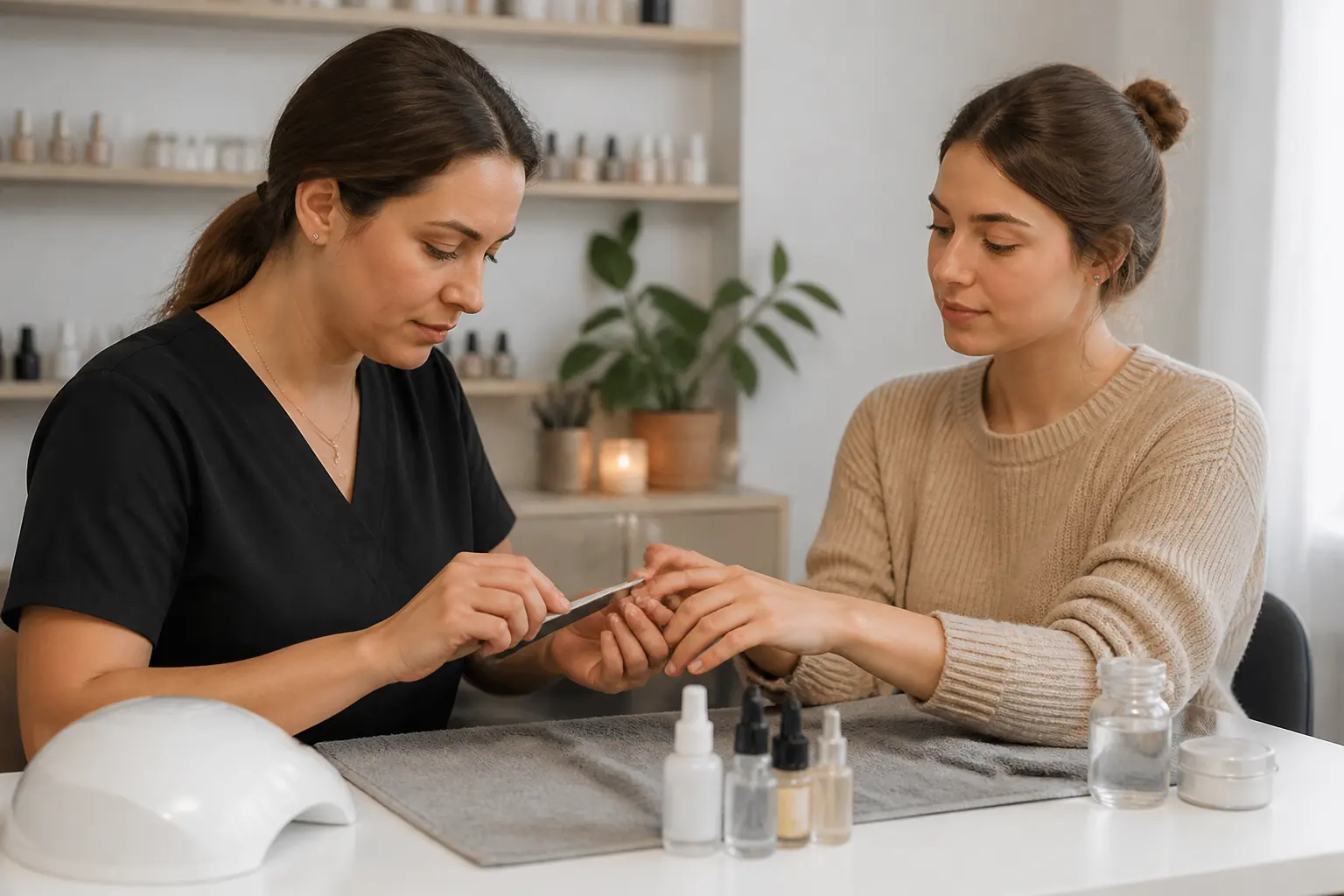
Brittle nails after years of gel recover gradually: remove any remaining gel gently without picking or scraping, keep nails short, moisturise nails and cuticles daily, wear gloves for wet work and stop using nails as tools. Take a considered break from gel while new growth comes through, and seek medical advice if changes persist or look unusual.
If your nails have started peeling in layers, snapping below the fingertip or feeling unusually thin after years of gel manicures, it is understandable to wonder whether they can feel strong again. The good news is that a calm, consistent approach can make a meaningful difference to how you protect the new nail as it grows. The key is not to cover the problem quickly, but to reduce the habits that keep adding stress.
Gel polish can be a convenient choice for a glossy, long-wearing finish. However, repeated removal, picking, aggressive filing, frequent acetone exposure and pressure on already weakened nails can leave the nail plate looking and feeling fragile. Recovery is less about a single miracle product and more about careful removal, moisture, protection and realistic expectations while healthy nail grows forward.
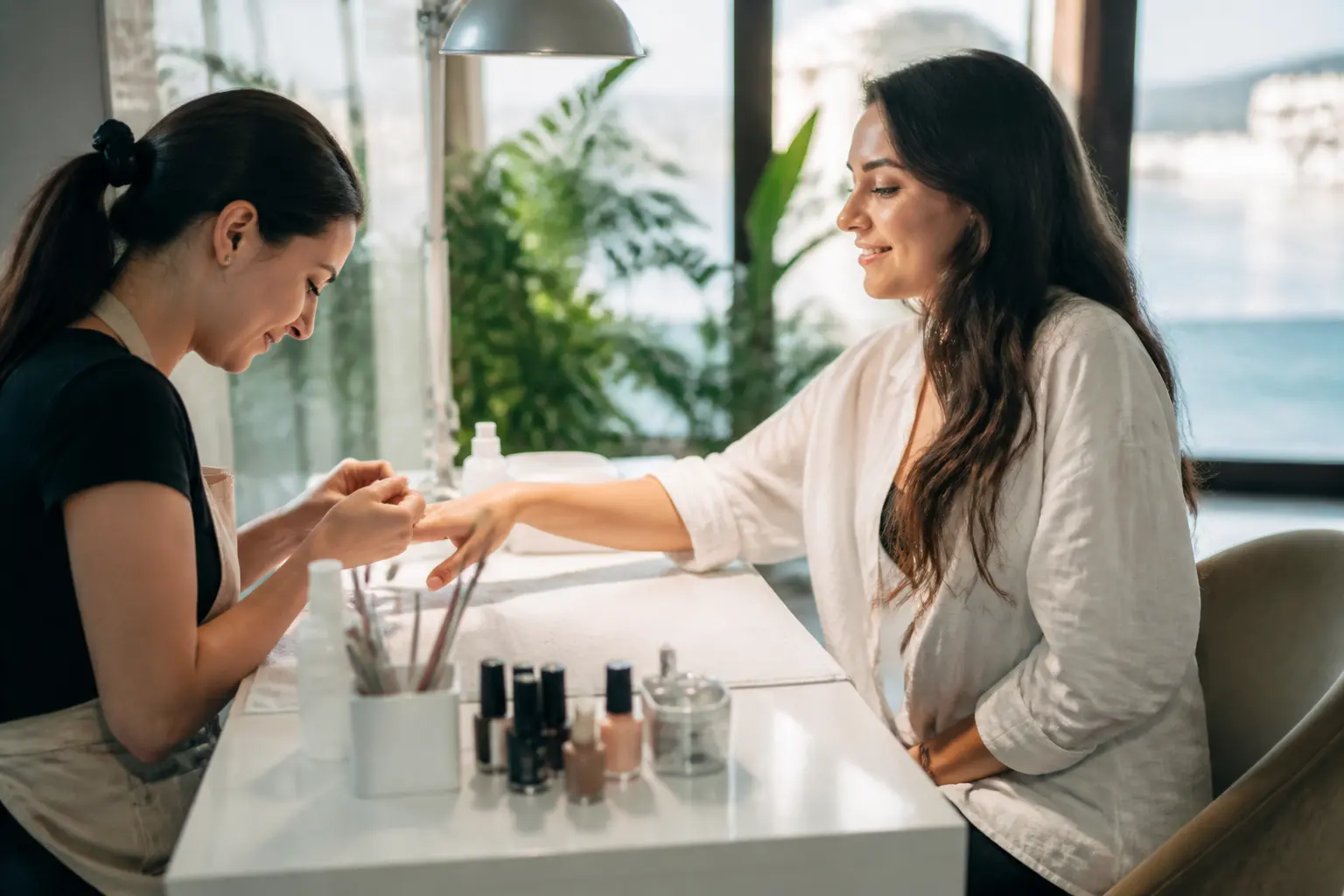
At a professional nail appointment, this starts with looking at the condition of your nails, discussing your usual routine and choosing an appropriate finish rather than automatically repeating the same service. At BeCammo, nail services are available exclusively at the Sliema studio, so you can ask for practical guidance that fits your current nail condition and the look you would still like to wear.
Why do nails feel brittle after long-term gel use?
It is worth separating gel polish itself from everything that can happen around it. A nail may become fragile because of repeated mechanical stress, including over-filing during preparation, scraping product away, or peeling off lifting gel. The removal process can also be drying, particularly when acetone contacts the surrounding skin repeatedly. The American Academy of Dermatology notes that gel manicures can be associated with brittleness, peeling and cracking, and advises against picking polish away. Read the Academy’s gel manicure guidance.
Long-term wear can also make it harder to notice the condition of the natural nail underneath. A glossy colour may disguise fine splits or white patches until removal day. Then there is daily life: washing up, cleaning products, hand sanitiser, hot water, work gloves, typing, opening packages and using nails as tools all add to the workload. If nails are already flexible or peeling, these small stresses can quickly lead to breaks.
This does not mean every person who wears gel will develop brittle nails, or that every brittle nail is caused by gel. Nail changes can have several causes. The NHS advises seeking medical advice for persistent nail problems or changes in colour or shape. See NHS guidance on nail problems. A beauty appointment can support careful cosmetic care, but it cannot diagnose a nail condition.
How do you remove remaining gel without more damage?
When nails are already struggling, the way you remove the current manicure matters enormously. Peeling, lifting an edge with another nail, prising product off or filing until the surface feels paper-thin can take away layers of the nail plate. It may offer instant satisfaction, but it often prolongs the recovery period.
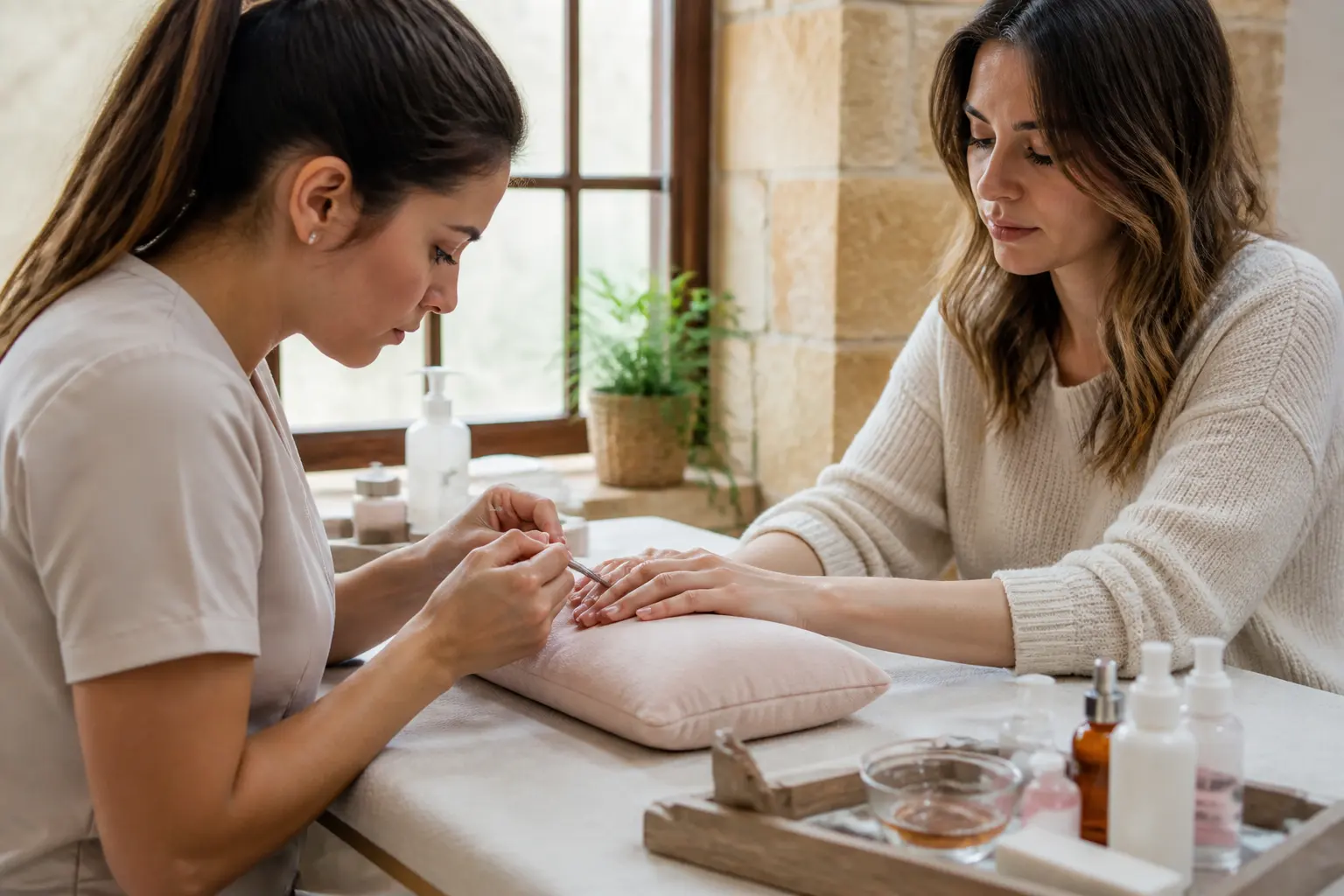
A professional removal focuses on softening and lifting product as gently as possible, rather than forcing it away. If you are removing gel at home, follow the product instructions and avoid improvised scraping tools. The American Academy of Dermatology recommends acetone-based removal with protection for the surrounding skin, and advises gently wiping away softened product rather than picking at it. Its home gel removal advice is useful to read before you start.
If you are booking a salon visit, tell the nail technician that your nails have been breaking or peeling. This helps them plan a conservative service. It may be better to keep nails short, skip unnecessary buffing and choose a simple finish while you assess how your nails respond.
At BeCammo · Sliema
Nail salon in Sliema
Illustrative image. Results vary from one person to another.
Manicures, pedicures and long-lasting rubber base gel nails at BeCammo Sliema.
- from €18price
- Sliemawhere
- ★ 5.0460+ Google reviews
What is a realistic recovery strategy for brittle nails?
A natural fingernail does not transform overnight. The part you can see has already formed, so the aim is to protect it from further splitting while new growth emerges from the base. Think of recovery as a period of lower stress and better maintenance rather than a race to get back to long nails.
Keep the length practical
Shorter nails are less likely to catch, bend and tear. This is not a forever rule, but it can be a helpful reset while the free edge is weak. File gently in one direction to smooth snags and avoid using a rough file aggressively across the top of the nail. A neat, shorter shape can still look refined, especially with a sheer polish, a subtle neutral tone or a tidy professional manicure.
Moisturise nails and cuticles every day
Water, soap and removers can leave nails and surrounding skin feeling dry. Apply hand cream after washing your hands and add cuticle oil or a simple moisturising product to the cuticle area regularly. This will not glue a split nail back together, but it can support a more comfortable, flexible-feeling nail and reduce the temptation to pick at dry skin.
Consistency is more useful than an elaborate routine you will not maintain. Keep a small hand cream near the sink, in your work bag or by your bedside. After removing polish, give your hands extra attention for several days, as removers can be drying.
Wear gloves for wet work and cleaning
Repeated soaking and exposure to detergents can make peeling worse. Wear suitable gloves when washing dishes, cleaning bathrooms, gardening or handling stronger household products. If you use disposable gloves at work, change them as appropriate and dry your hands carefully afterwards. The goal is not to avoid water completely, but to limit long, repeated contact where possible.
Stop using nails as tools
Opening cans, scratching labels, separating keys or lifting tabs with your nails can turn a tiny weak point into a full break. Use a tool, the pad of your finger or ask for help instead. This small shift is especially valuable during the first few weeks after gel removal.
Take a considered break from gel
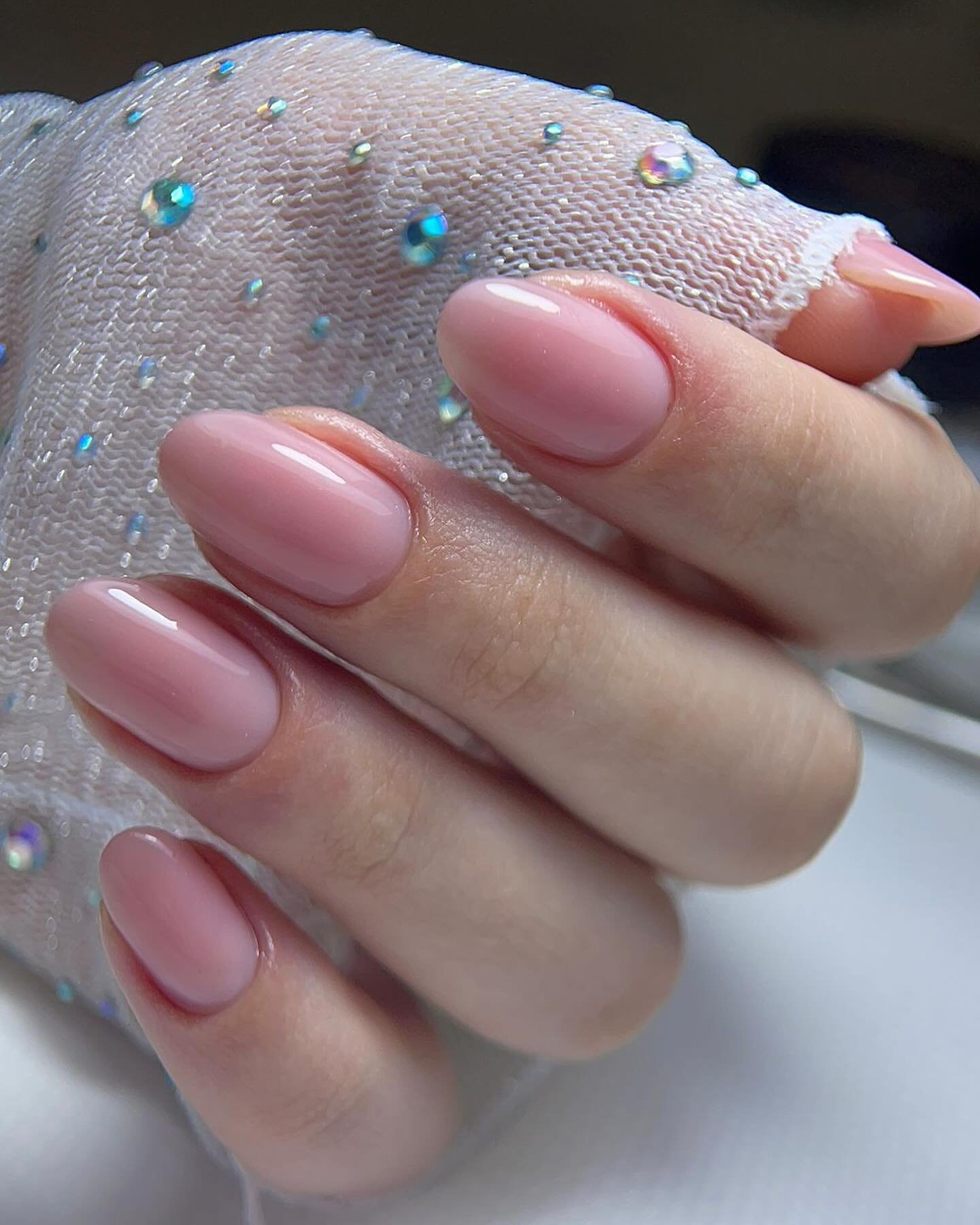
A break does not have to mean leaving nails completely bare if you do not enjoy that look. Some people prefer a classic polish, while others choose a simple manicure with careful shaping and a natural finish. The appropriate option depends on how fragile your nails are and what you need from your manicure day to day.
The American Academy of Dermatology suggests a polish break of one to two weeks or longer between gel manicures to give nails time without product. Its advice also highlights moisturising nails and cuticles between applications. For someone with persistent peeling after years of gel, the break may need to be more individual than a fixed calendar rule.
What should you ask for at your next manicure?
You do not need to choose between neglected nails and an overly intensive service. A good appointment begins with honest communication. Tell your technician if you have had recent lifting, pain, splitting, sensitivity to products, a rash around the nails or a history of picking gel off.
For nails recovering from gel wear, consider asking about the following:
- Gentle product removal, with no picking or forceful scraping.
- Minimal surface filing, particularly if your nails feel thin.
- Conservative cuticle care. Cuticles protect the area where nails grow, so they should not be cut or pushed back aggressively.
- A short, workable shape that reduces snagging in daily life.
- A simpler finish that suits your current nail condition and can be maintained comfortably.
- A plan for future appointments, based on how your nails respond rather than a one-size-fits-all schedule.
At BeCammo Sliema, you can book a manicure or pedicure appointment and discuss a nail routine that feels polished without overlooking the condition of your natural nails. If gel polish is part of your usual routine, bring up your concerns before the service begins so the appointment can be adapted thoughtfully.
Should you use nail strengtheners and supplements?
Products marketed as nail strengtheners can sound like an obvious answer, but a harder nail is not always a more resilient nail. If a product makes the nail overly rigid, it may still snap under pressure. Focus first on reducing damage, keeping nails moisturised and avoiding rough removal. If you would like to try a product, introduce one change at a time so you can see how your nails and skin tolerate it.
Be cautious about supplements marketed for hair, skin and nails. A supplement is not a substitute for a varied diet or medical assessment, and it may not address the reason your nails are changing. It is especially sensible to speak with a pharmacist, doctor or qualified healthcare professional before taking supplements if you are pregnant, breastfeeding, taking medication or managing a health condition.
When do brittle nails need medical advice?
Not every nail concern belongs in a beauty routine. Arrange advice from a GP, dermatologist or other appropriate healthcare professional if you have ongoing changes that do not improve, significant discomfort, swelling, redness, pus, a rash around the nails, nail lifting, sudden marked changes in shape or colour, or thickened and crumbly nails. These signs can have causes that need assessment beyond a manicure.
It is also important to seek advice if you believe you have reacted to a nail product. Do not keep reapplying the same products over irritated skin in the hope that it settles. Take note of what was used and when the reaction began, as that information may help a clinician.
How can you return to gel more carefully?
Some clients decide that, once their nails feel more stable, they still want occasional gel manicures. That can be a personal choice. The most useful approach is to return with better boundaries rather than repeating the cycle that caused trouble.
- Wait until the nails are no longer actively peeling or breaking easily.
- Choose professional removal every time, rather than peeling at lifting edges.
- Leave space between gel applications where possible.
- Keep the nail length suited to your lifestyle.
- Use hand cream and cuticle care consistently.
- Speak up if filing feels too aggressive or if your nails are becoming sore.
You may also decide that a classic polish, a natural manicure or gel only for holidays and events works better for you. There is no single correct routine. The best option is one that gives you the finish you enjoy while respecting what your natural nails can comfortably manage.
Conclusion
Brittle nails after years of gel are a signal to slow down, not a reason to give up on having well-groomed hands. Start with gentle removal, keep nails at a protective length, moisturise daily and reduce exposure to water, detergents and picking. Give the new growth time to come through and seek medical advice for persistent or unusual changes.
When you are ready for a professional reset, a carefully planned manicure can help you feel tidy and confident without putting appearance ahead of nail condition. Book a nails appointment at BeCammo Sliema and let the team know that your priority is a gentler routine for fragile nails.
Frequently asked questions
Can nails recover after years of gel manicures?
Many people see improvement when they stop damaging removal habits and protect new growth as it comes through. The visible nail will need time to grow out, so recovery is usually gradual. If brittleness persists or you notice unusual changes, seek advice from a healthcare professional.
How long should I take a break from gel polish?
There is no universal timetable. The American Academy of Dermatology suggests a break of one to two weeks or longer between gel manicures, but nails that are repeatedly peeling or breaking may benefit from a longer, personalised pause.
Is it safe to put gel over brittle nails?
Covering fragile nails may hide the issue and can be unhelpful if removal or preparation adds more stress. Discuss the condition of your nails with a qualified technician first. A simpler manicure or a period without gel may be more suitable.
Why are my nails peeling in layers after gel removal?
Layered peeling can happen when the nail surface has been stressed, often by picking, scraping, over-filing, dryness or repeated wet work. Gentle removal, shorter nails, moisturising and protection from detergents can help reduce further splitting.
Should I cut my cuticles to make my nails look neater?
It is generally better not to cut or forcefully push back cuticles. They help protect the area around the nail. A professional manicure can focus on neat, gentle care instead.